ADUs and secondary dwellings: the second house on a Nantucket lot
Key facts
- Since February 2, 2025, Massachusetts law makes an ADU under 900 square feet a protected, by-right use on single-family lots statewide, under 760 CMR 71. (Source: Mass.gov, Affordable Homes Act)
- Nantucket's own zoning recognizes an accessory dwelling — inside an owner-occupied single-family home, capped at 800 square feet — and a detached secondary dwelling, a true second cottage on the same lot. (Source: Nantucket Code § 139-2)
- Some lots can go further: the bylaw's tertiary dwelling allows a third unit of up to 900 square feet under ownership and year-round conditions. (Source: Nantucket Code § 139-2)
- By-right removes the discretionary zoning gate — not HDC design review, Title 5 septic capacity, or covenant restrictions. Those three still decide what gets built.
The island's oldest housing trick
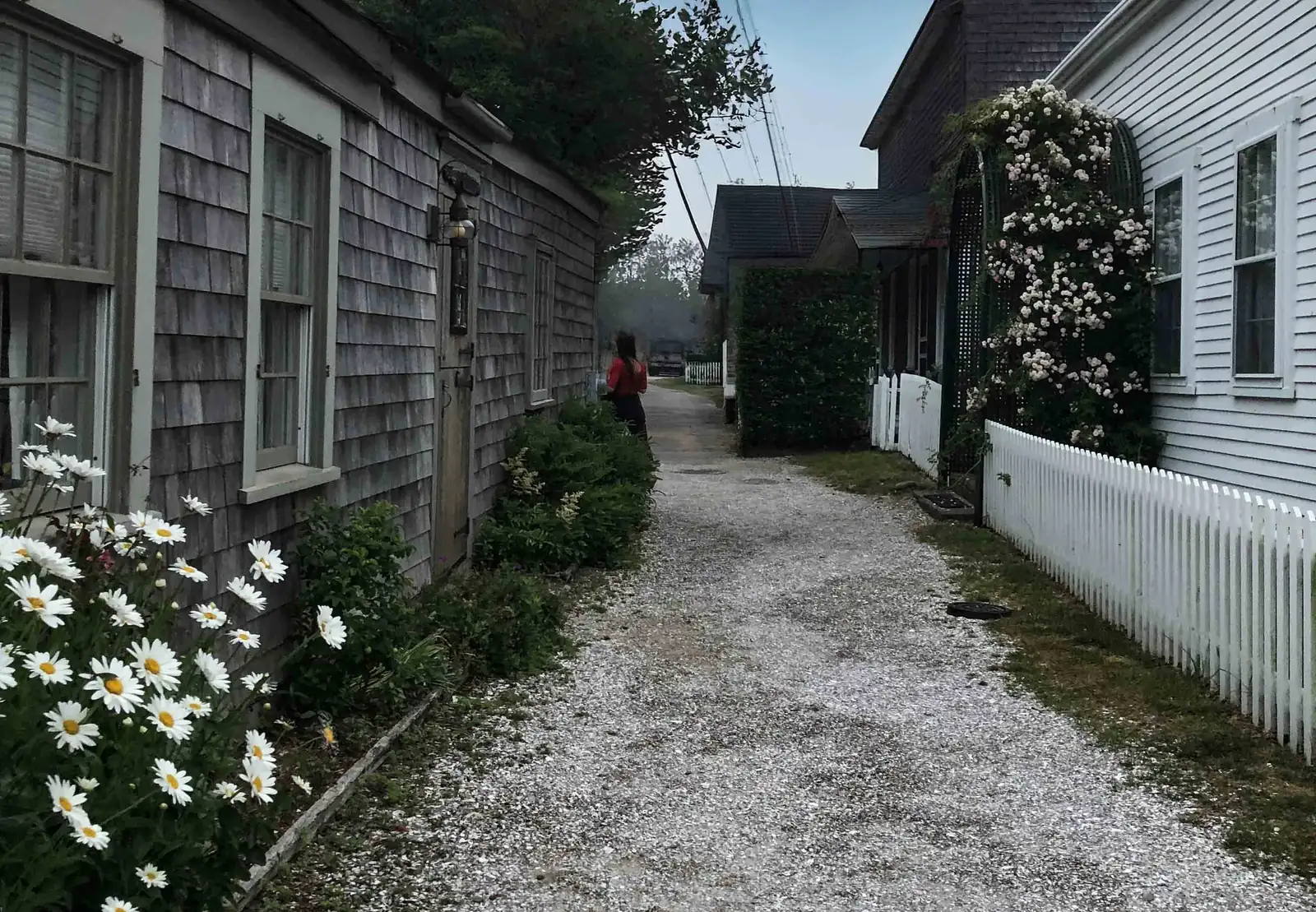
Ask what makes island lots work as hard as they do and the answer is often the second building. The main house holds the family; the cottage over the garage holds the summer overflow, the year-round tenant, or the caretaker who watches both. That pattern is old here.
What is new is the legal landscape around it — a state law that changed the default answer, and a local bylaw that has kept evolving on its own, most recently at the May 2025 Town Meeting. A buyer weighing a lot, or an owner weighing a project, needs to know which layer applies to what.
Three layers of law, plainly
Nantucket's accessory dwelling. The island's zoning recognizes a dwelling unit located within an owner-occupied single-family building — self-contained, with its own sleeping, cooking and sanitary facilities, no larger than the primary dwelling and capped at 800 square feet, with the building in single ownership and one unit owner-occupied. Think finished space over the garage or an in-house apartment. Nantucket's secondary dwelling is the more distinctive allowance: a detached second single-family dwelling on the same lot — a real cottage, not an apartment. The current bylaw, amended as recently as the May 2025 Town Meeting, requires the secondary dwelling's ground cover to differ from the primary's by at least 20 percent in either direction, keeps the two buildings at least 10 feet apart, allows attachment only by a breezeway, and holds both units in the same ownership except where one is restricted to year-round covenant occupancy; the Planning Board can relieve the ground-cover and separation rules by special permit. And some lots can go further still: the bylaw's tertiary dwelling allows a third unit of up to 900 square feet — a garage apartment, an attached unit, or a small detached building — under ownership conditions or a year-round occupancy restriction. The town has been reconciling its tertiary rules with the new state ADU layer — before buying on a third-unit basis, confirm the current position, as our zoning guide also advises.
The state's protected-use ADU. Since February 2, 2025, the Affordable Homes Act makes an accessory dwelling unit under 900 square feet a by-right use on single-family lots statewide, under regulations at 760 CMR 71: no special permit, no discretionary zoning approval. This is the layer that changed the default. Where the local bylaw was silent or stricter, state law now guarantees the baseline.
What by-right does and does not mean here
By-right removes the discretionary zoning gate. It does not remove Nantucket's other gates — and on this island the other gates are real. The Historic District Commission reviews the exterior of what you build, island-wide, exactly as it does for any structure; a by-right ADU still needs its Certificate of Appropriateness before a building permit issues.
Septic is the second gate: an added dwelling unit adds bedrooms, and on a lot served by Title 5 septic rather than town sewer, bedroom count is what sizes the system — the state issued specific guidance on Title 5 compliance for ADUs in 2025. Covenant lots carry a third: subdivision covenants can restrict second dwellings regardless of what zoning allows, and on a covenant lot the covenant wins. Wastewater capacity, covenants, HDC — the project that clears all three is the one that gets built.
Why the second dwelling matters in the island's math
For a buyer, a lot that can hold a second dwelling is a different asset than one that cannot — flexibility for family, quarters for staff or trades, or rental income that carries the property. We wrote separately about what island homes actually rent for, and about how second units fit the island's short-term-rental rules. For the island itself, the stakes are housing: every legal second unit is one more place for the people who keep Nantucket running to live. And for a seller, a documented, permitted second unit is value worth stating plainly when the house goes to market.
One caution cuts the other way: an existing second unit is only an asset if it is legal. Part of diligence on any two-dwelling property is confirming that both units stand on permits, not on history and hope.
How to find out what your lot allows
The sequence is short: the zoning district sets the baseline — our zoning guide and the district pages on this site cover the ground; the bylaw's use chart says what that district permits; the covenants, if the lot has them, can subtract from it; the state ADU layer guarantees its own floor regardless; and then Title 5 capacity and the HDC shape what the permitted thing can physically be.
We run this sequence for buyers before offers, because “can it hold a cottage” changes what a lot is worth — in both directions. Weighing a lot, or a house whose second unit is doing a lot of work in the listing copy? Ask us to run the layers before you write anything.