Nantucket real estate services
How buying on Nantucket actually works
Most purchases here run about 30 to 60 days from accepted offer to closing — the pace is familiar; the diligence is not. An accepted offer moves to a Purchase & Sale agreement, and the weeks that follow are island-specific: homes in the historic district answer to the HDC before anything changes, Title 5 septic capacity can decide a bedroom count, and the flood map can matter as much as the floor plan. None of it is a problem — unless nobody told you.
Closing carries one line mainland buyers haven't seen: the Land Bank fee, 2% of the purchase price, paid by the buyer. It is the reason the moors, beaches, and walking trails around your future home stay exactly as they are — and qualifying first-time buyers are exempt on the first portion of the price, a threshold the Land Bank resets each year.
And none of it requires you to be on-island at every turn — video showings, local inspections, and remote closings are routine here. When you're ready to go deeper, the complete guide to buying a home on Nantucket walks the whole road, from financing to the fee math to competing well for the right property.
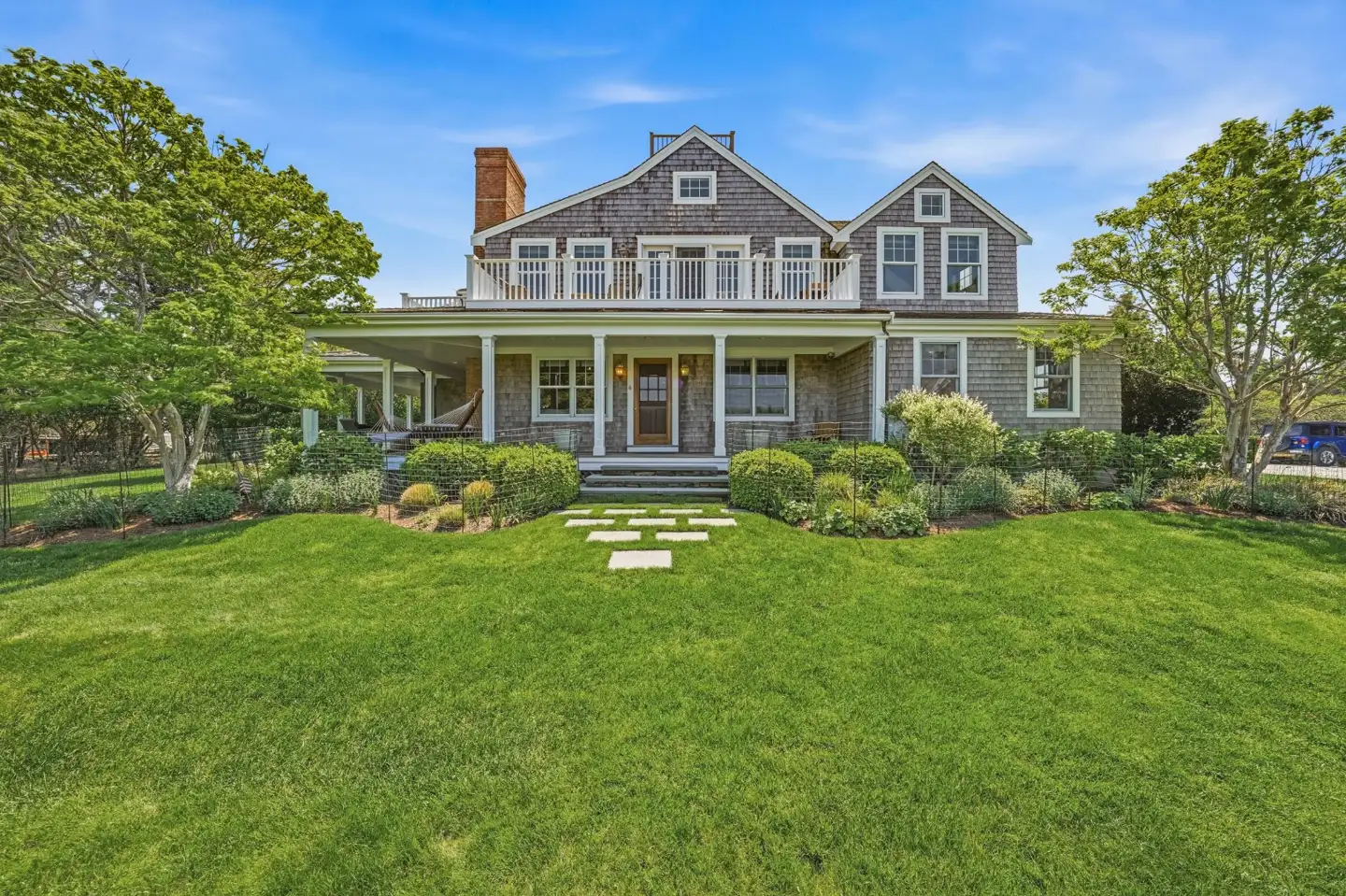
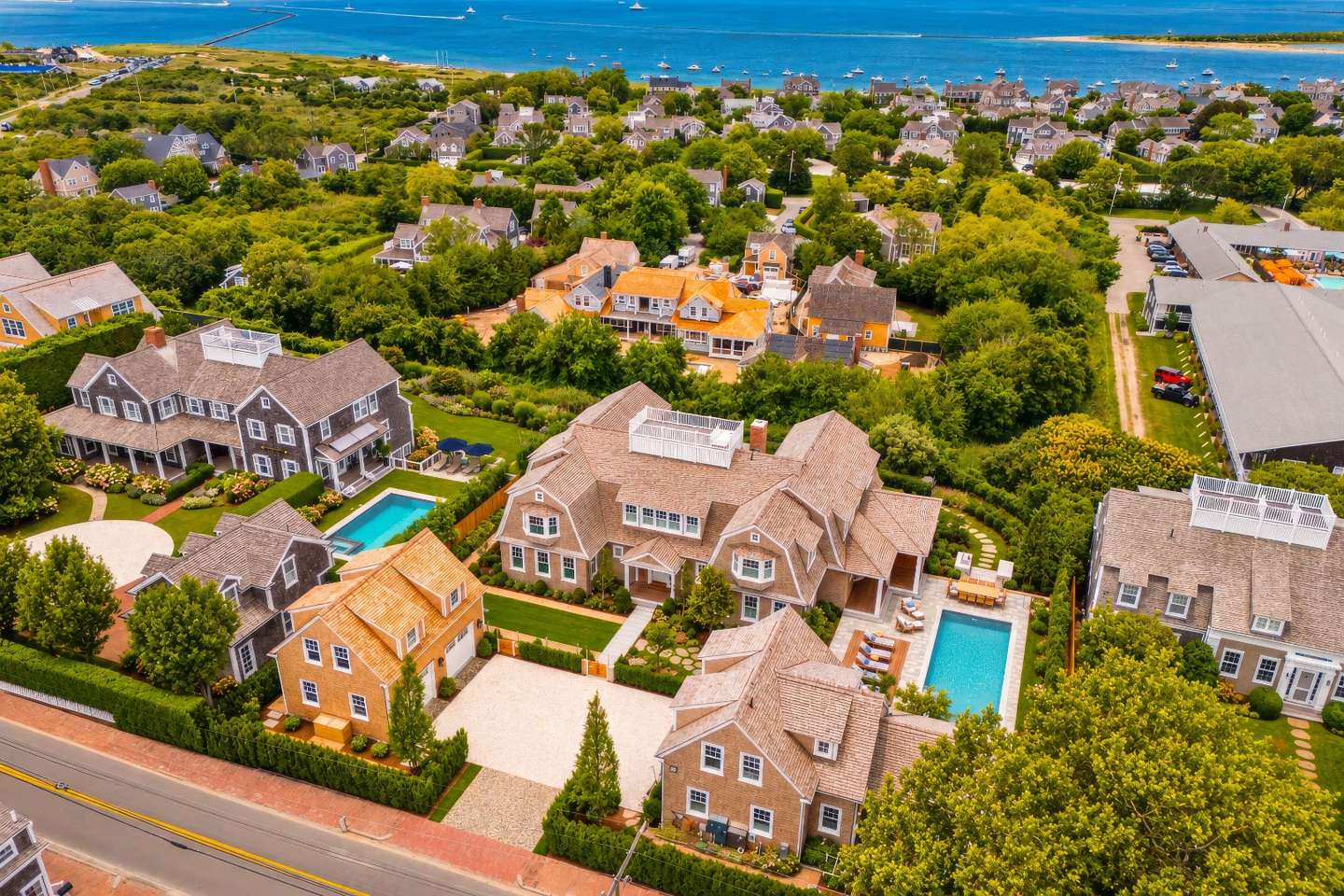
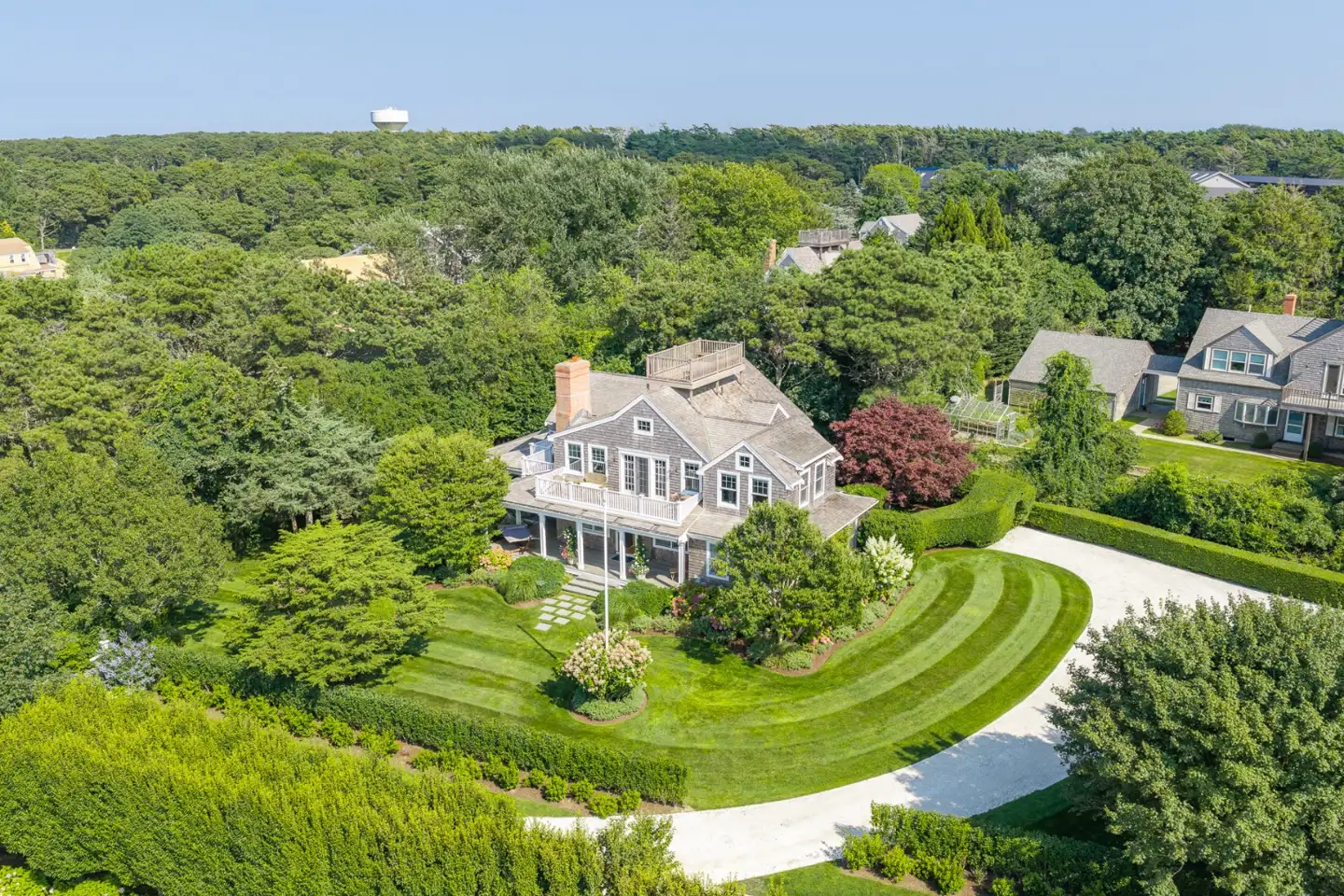
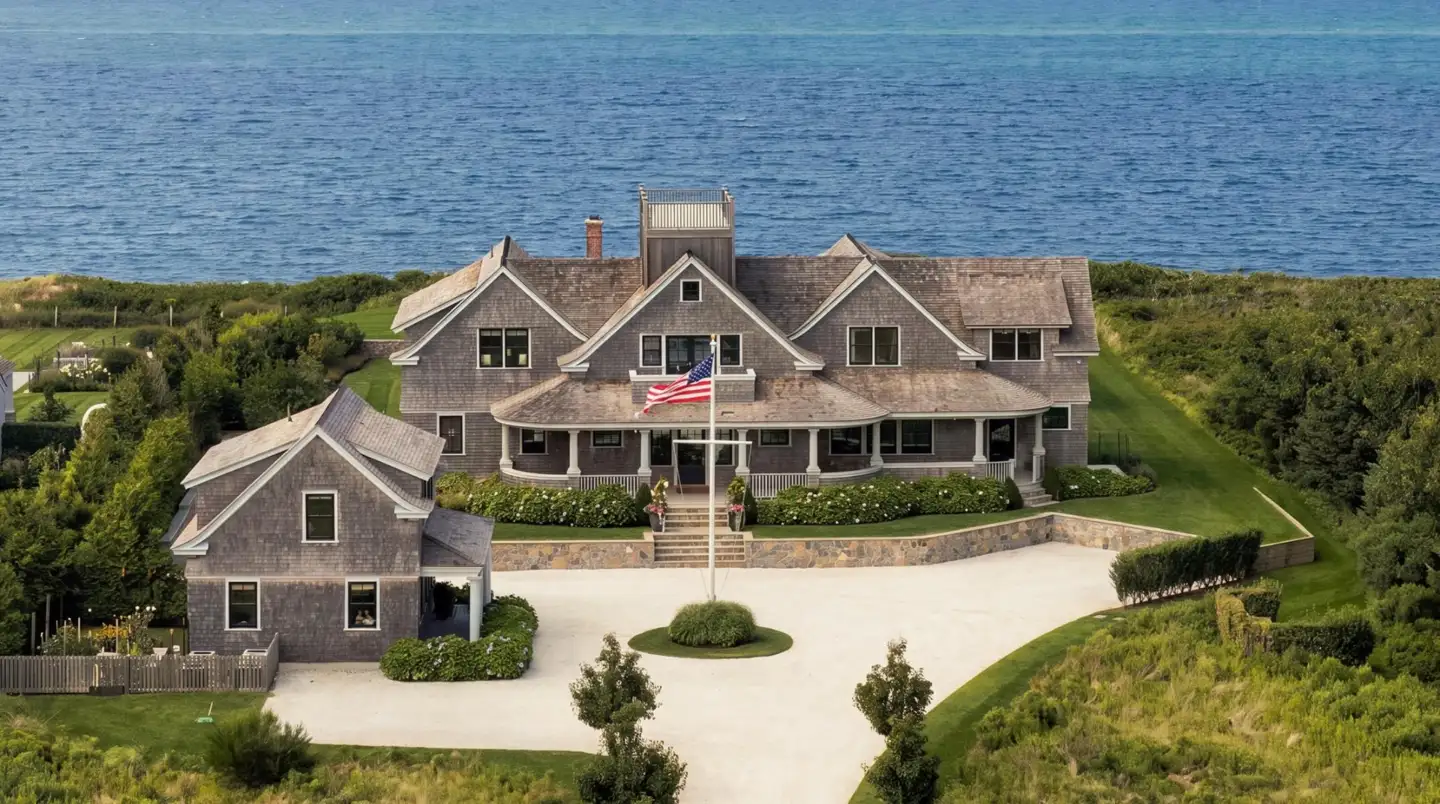
Nantucket homes for sale, curated for you
All listings →

The Nantucket market, decoded
Nantucket real estate does not behave like any other market. Homes can sell in a weekend, or sit for months and suddenly draw three offers. Financing on the island has its own rules, and the historic district, Title 5 septic requirements, and flood zone designations all shape what a property can become — and what it can cost you if you miss them. That is the context behind every transaction here, and it is why having someone who knows this island from the inside out is not a bonus — it is the difference.
Most Nantucket homes for sale today fall between $1M and $13M, and each price point carries its own dynamics, buyer pool, and negotiating logic. Spring and summer drive the highest activity and the most competition. Fall extends the window for serious buyers. Winter is underrated — inventory is quieter, sellers are motivated, and the right opportunity can surface with almost no competition.
A significant share of Nantucket island real estate never touches the public listings. It moves through relationships — between agents, between families, between neighbors. That off-market network takes years to build, and it is one of the clearest advantages a sixth-generation Nantucketer brings to the table.
Where the market stands
Fifty-one sales closed $240.6 million in September, the island's biggest month of the year by a wide margin, and the homes that sold captured 96.6% of their last asking price by LINK's count; the 39 that were publicly listed averaged 95.9%. Inventory ended September at 154 active listings, the second straight monthly decline and 14% below last September. Priced to what the island is actually trading at, a house here sells near full ask; everything else negotiates.
Explore Nantucket's neighborhoods
All guides →Thirty-two districts, one island — and they could not be less interchangeable. Harborfront homes in Monomoy look back across the water to town, while the rose-covered village lanes of 'Sconset feel like their own century. Madaket holds the sunset end of the island, where the surf runs louder and the evenings go longer; Cisco pairs south-shore waves with farm stands, and Wauwinet sits quietly between harbor and ocean at the island's far northeast.
Value hides in plain sight, too: the mid-island neighborhoods put the island's most attainable homes minutes from everything, and Town's historic core trades acreage for walk-to-dinner streets and harbor light. The right district is the one that matches how you plan to live here — each guide below covers character, drive times, and what homes actually trade for.

Sean Kalman — six generations deep, and it shows.
What it takes to sell well here
September made the case plainly. The 39 homes that sold after a public listing captured 95.9% of their last ask, and seven of the nine that closed at or above it went under agreement within four weeks — four of them inside a week — while 17 listings changed price in the same thirty days and 10 came off the market. One market, two outcomes, and the difference is almost always where the number started.
Nantucket rarely hands you a clean comp set. A few hundred houses trade here a year across wildly different segments, and the three sales nearest yours might include a teardown. So the work is pricing from evidence rather than triangulation, preparing the house before it goes public, and using the island's calendar instead of fighting it. The right home can be shown privately to a qualified network first, testing the price before the clock ever starts — and the evidence itself is public: what homes actually sold for, address by address.
If you're weighing a number, start with a real one. Sean prepares valuations personally — live comps, off-market sales the portals never see, and the buyer pool actually active at your price point — within 48 hours, and with no obligation to list.
What's your home worth?Questions, answered
What do homes on Nantucket cost?
Most Nantucket homes for sale fall between $1M and $13M, with condos and mid-island properties anchoring the entry point and waterfront estates reaching well beyond. Every price band has its own buyer pool and negotiating logic — the right strategy at $2M looks nothing like the right strategy at $10M.
When is the best time to buy on Nantucket?
Spring and summer bring the most inventory and the most competition. Fall rewards patient buyers, and winter is quietly one of the best windows on the island — motivated sellers, less noise, and room to negotiate. The honest answer: the best time is when the right property surfaces, and that can happen any month.
Can I buy a Nantucket home without being on the island?
Yes — a large share of Nantucket purchases happen remotely. Sean has guided buyers through the entire process by FaceTime: video walkthroughs, local inspections, and coordination through closing. You don't need to be here at every turn; you need someone you trust who already is.
How do I hear about off-market Nantucket listings?
A meaningful share of Nantucket real estate trades without ever hitting public listings — through relationships between agents, families, and neighbors. Those conversations take years of local standing to access. Tell Sean what you're looking for, and you'll hear about the quiet opportunities that fit.
Do Nantucket homes make good rental investments?
Summer rental demand on Nantucket is deep and consistent, and well-located homes book strongly year after year. Short-term rental rules continue to evolve at the town level, so current bylaws should be part of any purchase decision — Sean tracks them closely and will tell you plainly how they affect a specific property.
What makes buying on Nantucket different from the mainland?
The historic district commission, Title 5 septic requirements, flood zone designations, and island logistics all shape what a property can become — and what it can cost you if you miss them. It's not a harder market, but it is an unforgiving one for buyers working without local knowledge.
What are property taxes like on Nantucket?
Lower than almost anywhere in Massachusetts — the fiscal 2026 residential rate is $3.12 per $1,000 of assessed value, roughly 0.31% effective. One caution: assessed value is a taxing tool, not a market price, and the two routinely diverge. The full math, including the residential exemption and closing costs, is in the property tax guide.
How does the Nantucket Land Bank fee work?
Most buyers pay 2% of the purchase price to the Nantucket Land Bank at closing. That fee assembled the protected moors, beaches, and trails that keep the island feeling like the island — and it's why they'll still be there decades from now. Qualifying first-time buyers are exempt on the first portion of the price; the Land Bank fee, explained covers the mechanics.
Does the market go quiet in the off-season?
The crowds leave in October; the market doesn't. Fall and winter bring motivated sellers, quieter negotiations, and room to look without competition — some of the island's best purchases close in the off-season. Showings, inspections, and closings run all year, and Nantucket in the off-season shows what island life looks like once the ferries thin out.
How do showings work if I'm coming by ferry?
Efficiently, if they're planned around the boat. Sean builds showing days against the ferry schedule — a video shortlist first, then one well-sequenced trip to see the finalists in person. If a boat cancels or the timing never lines up, every step can run remotely. Start with the guide to getting to Nantucket for routes and seasons.