Boating on Nantucket: the harbor is the front yard
Key facts
- The Harbormaster administers over 1,800 moorings; permits renew annually through the Town Marine Department, and new applicants join a waitlist.
- Nantucket Boat Basin runs 240 slips on the downtown waterfront — walk from your stern line to dinner on the cobblestones.
- Two clubs, a century apart: the Nantucket Yacht Club (1906) on the inner harbor and Great Harbor Yacht Club (2003), the first new club on the island in a hundred years.
- A licensed private dock is rare and priced like the scarce asset it is — most harborfront owners moor out front and row in.
Two harbors, three coasts
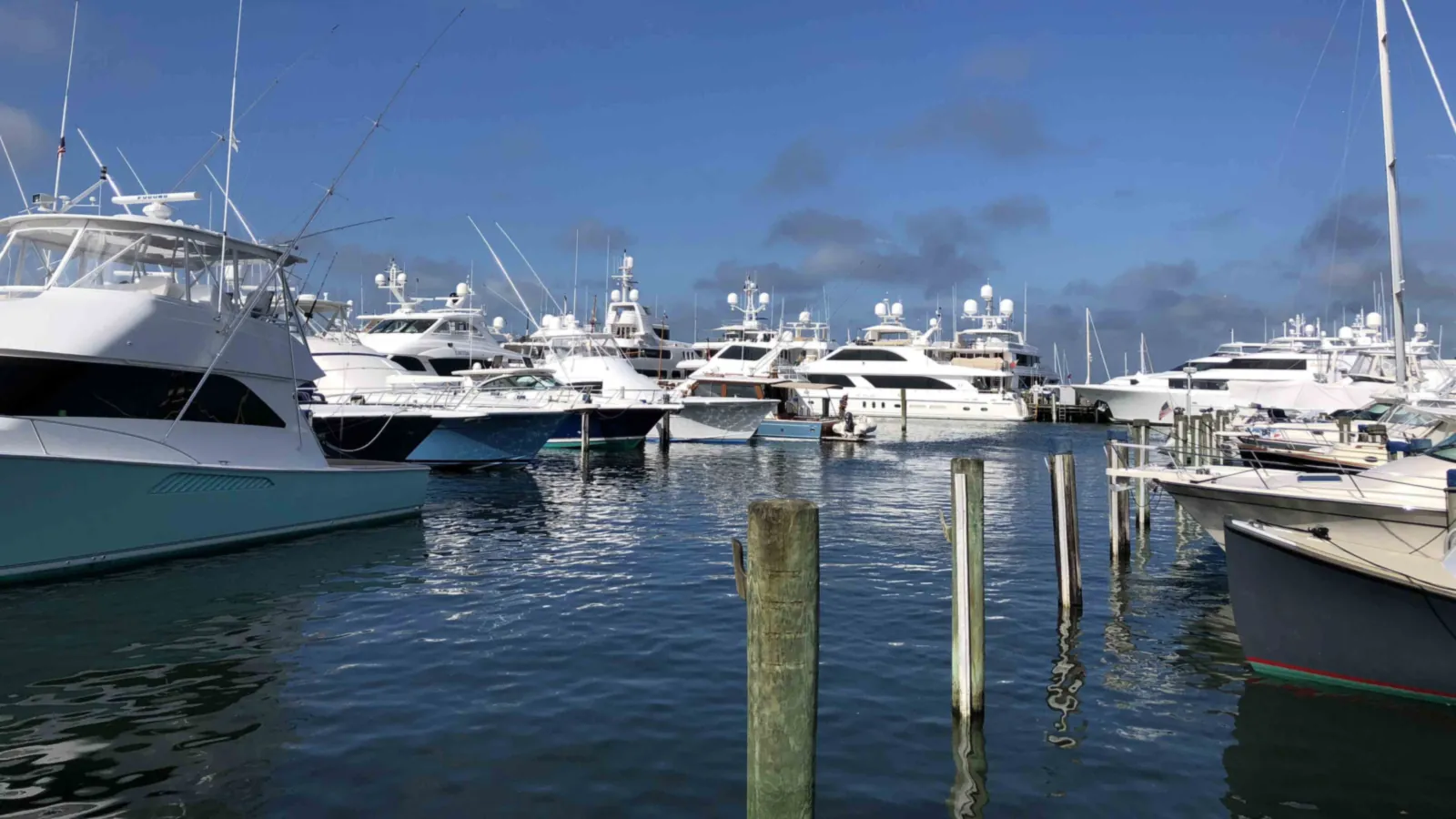
Nantucket boating splits by water. The Great Harbor — protected by Coatue's long arm — holds the moorings, the clubs, the Boat Basin, and the summer fleet at anchor. Madaket Harbor at the west end is the smaller, shallower, saltier scene: skiffs, fishermen, and Hither Creek boathouses. Off the south shore there is no harbor at all, just the open Atlantic that keeps that coast for surfers.
Which water you boat on quietly decides where you should buy — and that is the thread running through this whole page.
Getting a boat in the water
The town's system is the backbone. Mooring permits come from the Marine Department, renew each year, and turn over slowly — the Harbormaster administers more than 1,800 moorings across the harbors, and new applicants join a waitlist that rewards patience. Commercial mooring servicers set and pull the tackle around the town's grid.
For dockage, Nantucket Boat Basin is the address: 240 slips folded into the downtown wharves, so the boat becomes a waterfront cottage with the town as its yard. Trailer boats use the public ramps, and the Town Pier dinghy dock at 34 Washington Street is the daily commute for everyone swinging on a mooring.
The clubs, a century apart
The Nantucket Yacht Club has organized racing on the harbor since 1906, and its junior programs — Optis, 420s, the beloved Rainbow Fleet silhouettes — are how island kids have learned the water for generations. Membership traditions run long and familial.
Great Harbor Yacht Club, begun in 2003 at the head of the harbor on Washington Street, was the first new club in over a century — sailing programs, a marina partnership, tennis and fitness alongside. Neither club is required equipment for a boating life here, but both are how a summer on the water becomes a community.
Where boaters buy
Money follows the mooring. Monomoy and Shimmo put the fleet in your sightline and, on a handful of properties, a licensed dock at the foot of the lawn — the single scarcest amenity in the market. Polpis Harbor estates keep private docks on their own quiet water. Brant Point and Town put you at walking distance from the Boat Basin and the club docks; the boat becomes part of daily life rather than a drive away.
At the west end, Madaket trades harbor polish for salt: Hither Creek moorings, skiff culture, and the island's best sunset ritual. The full tour of these neighborhoods lives in the district guides, and the waterfront homes guide covers the shoreline itself.
The season, honestly
The harbor fills between Memorial Day and Labor Day and empties almost as fast. Most owners launch by June and haul by mid-October; the yards stack boats inland for the winter, and the moorings sit bare through the gray months. A real September is the local secret — warm water, thin crowds, steady southwest breeze.
Budget for the calendar, not the brochure: commissioning, hauling, winter storage, and salt-driven maintenance are annual line items, and island labor books out early. It is the same lesson every island system teaches — plan a season ahead.
Before you buy the boater's house
If a dock is the dream, understand the rule first: new private docks and piers are prohibited in Nantucket and Madaket Harbors by local bylaw. The docks that exist are grandfathered, and their paperwork — the license and every condition on it — is what you are actually buying. Verify it early, in writing; a listing that merely implies dock potential is implying something the bylaw forecloses.
If a mooring is the plan, remember it does not convey with the house — the permit belongs to the holder, and your own application joins the town's list. None of this is a reason to hesitate; it is a reason to buy with someone who knows which questions come first. That conversation starts with a call to Sean.