Keeping the house in the family
Key facts
- Massachusetts taxes estates above $2,000,000 — and the island's median home sale alone runs well above it, so a long-held Nantucket house frequently crosses the threshold by itself. (Source: Mass.gov, 2023 law)
- The Land Bank Act's Section 12 exempts genuine gifts without consideration, certain trust transfers, and transfers by operation of law at death — with an anti-avoidance clause over all of it. (Source: Nantucket Land Bank)
- The structures island families actually use — trusts, LLCs, lifetime gifts of interests — each trade off control, taxes, and the step-up in basis differently.
- This page is not legal or tax advice. It exists so you walk into your attorney's office asking the right questions.
Two kinds of value, pulling in opposite directions
A Nantucket house that has been in a family for decades carries two kinds of value that pull in opposite directions. The market value has grown to a figure the original buyer would not believe. The family value — the Augusts, the weddings on the lawn, the grandchildren's height marks on the doorframe — is why nobody wants to sell. Succession planning is the work of honoring the second value without being ambushed by the first.
One thing before anything else: we are not attorneys or accountants, and this page is not legal or tax advice. It exists so you walk into those offices asking the right questions.
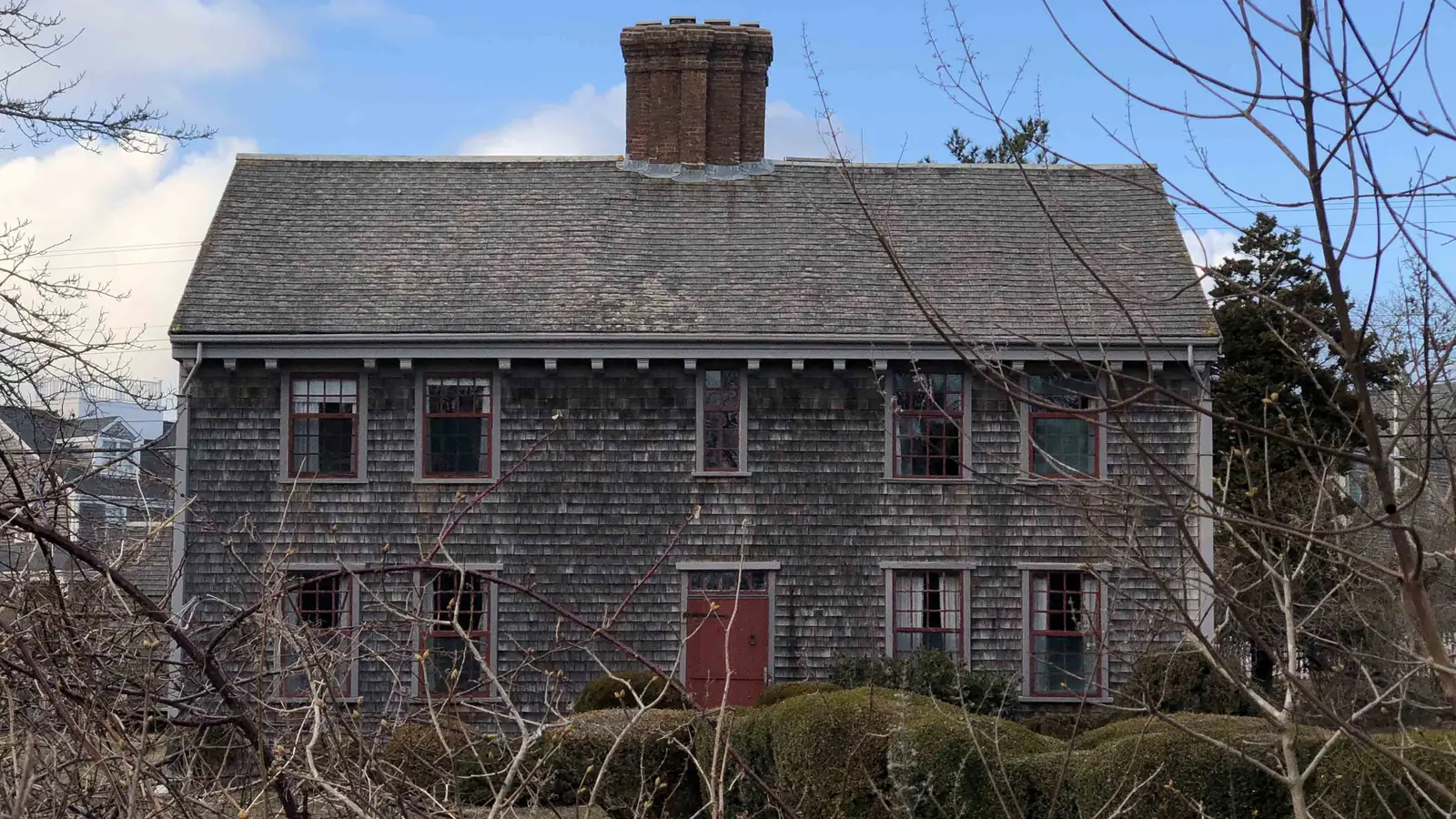
Where the estate tax meets the island market
Massachusetts taxes estates above $2,000,000 — the threshold set by the 2023 law, which also provides a credit of up to $99,600 that eliminates tax below that line. Set that against this market: the island's median home sale alone runs well above it. A long-held Nantucket house frequently carries an estate over the threshold by itself, before any other asset is counted. That is the single fact that turns “we should get around to this” into a project with a deadline nobody knows.
Federal rules — including the step-up in basis, which resets an inherited asset's cost basis to its value at death — interact with the state picture in ways that are exactly why the professionals get hired. For a house bought decades ago at a fraction of today's value, how and when it transfers can matter enormously to the capital-gains picture the next generation inherits.
The structures families actually use
You will hear four patterns discussed around island kitchen tables, and your attorney will have views on all of them. Owning outright and letting the estate handle it — the default; simple while everyone is alive, and it concentrates every question into the hardest week. Trusts — Massachusetts practice leans on them heavily, and island deeds show it; families use them to control how the house passes, to keep it out of probate, and to write down, while everyone is agreeable, the rules for who uses it, who pays for it, and what happens when someone wants out.
Entities — LLCs and family partnerships — common where several siblings or branches will share ownership: the operating agreement becomes the constitution for scheduling, expenses, and exits, and interests in the entity can move between generations in measured steps. Lifetime gifts of interests — some families begin moving fractional interests to the next generation early; whether that helps or hurts, against the step-up, against control, against family dynamics, is precisely a for-your-advisors question. Every one of these has trade-offs the brochure version skips. The structure also decides who signs if the house is ever sold: how Massachusetts withholds tax when a nonresident sells.
The island-specific mechanics
Two Nantucket particulars belong in the plan. The Land Bank transfer fee — the 2 percent the island collects on most real-estate transfers — has statutory exemptions under Section 12 of the Land Bank Act, and three of them are the family ones: transfers made as genuine gifts without consideration (with a presumption that a below-market transfer to a spouse, lineal descendant, or lineal ancestor is a gift to the extent of the difference); certain trust transfers, in both directions — into a trust in exchange for a beneficial interest, and distributions from trustees out to beneficiaries; and transfers by operation of law without consideration, including at the owner's death. One caution sits over all of it: the Act denies any exemption where the transfer's primary purpose is avoiding the fee. Which exemption a specific family transfer fits, and the filing that claims it, is exact-wording work for your attorney before the deed moves, not after.
The second particular is the rental engine: many families carry the house's costs — or equalize between the branch that uses it and the branch that does not — by renting weeks in season. If that is part of your plan, the ownership structure needs to anticipate it.
The conversation that outranks the documents
Every attorney who does this work says a version of the same thing: the structures are the easy part; the family agreement is the hard one. Who inherits use of August? Who pays the new roof? What happens when one branch needs money and wants out, or when a spouse from outside the family arrives with opinions?
The families whose houses survive generations are the ones who wrote the answers down while the founders were alive and everyone still laughed at the same table. And when the answer turns out to be selling, there is a guide for heirs.
What to bring to your attorney
Arrive with: the deed as it reads today and any existing trust documents · a current sense of the house's market value — a real one, not the assessment · the family map of who should use, own, and pay · your honest answer on whether the house should ever be sellable · and the questions from this page: where the estate stands against the Massachusetts threshold, what the step-up means for your basis picture, which structure fits the family's shape, and how any transfer sits with the Land Bank's exemptions.
When the planning turns on what the house is actually worth — today, honestly, in this market — that valuation is our part of the table. Ask us.