Estates and compounds on Nantucket: the quiet end of the market
Defined by the land, not the houses
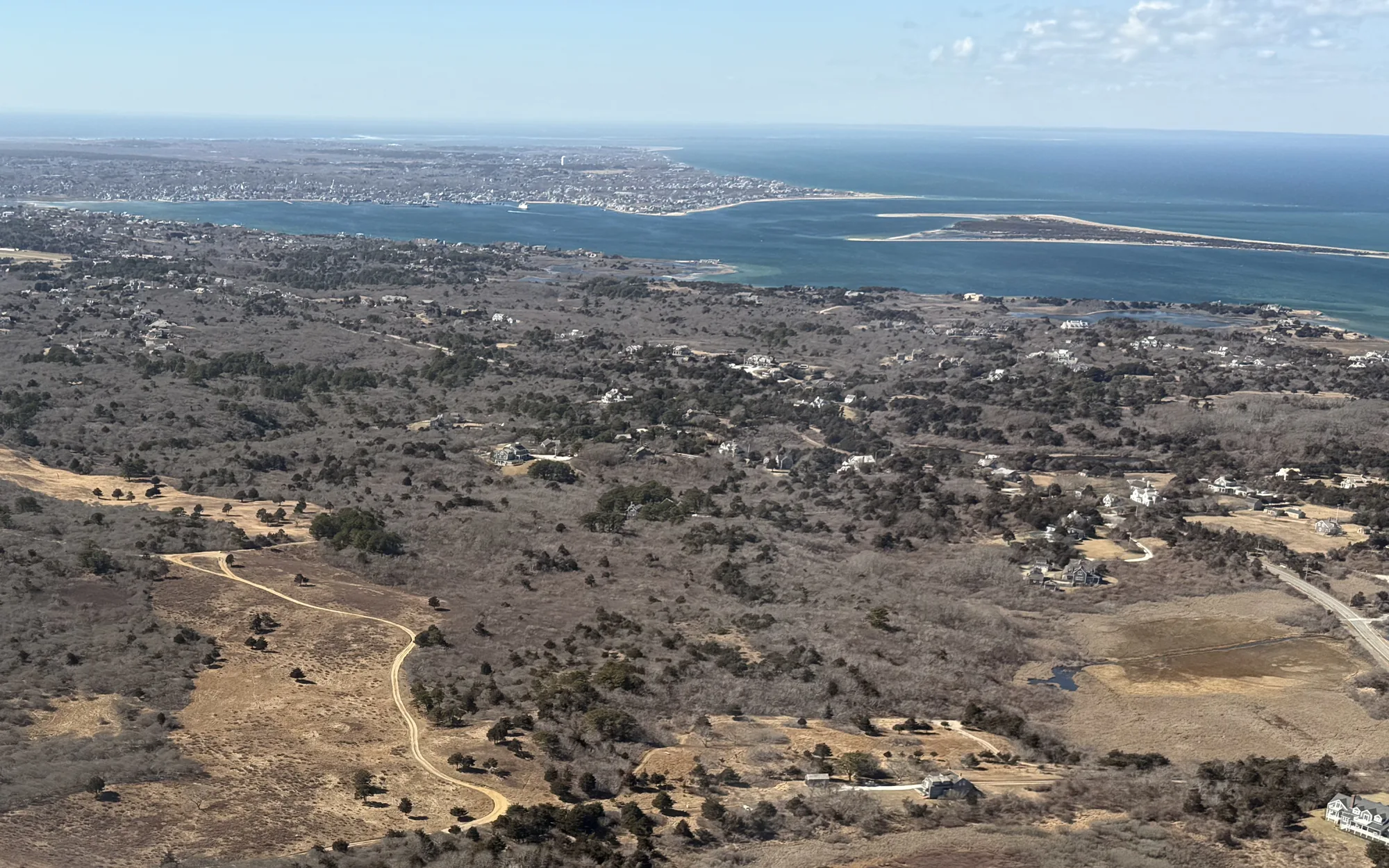
Every market has a top shelf. Nantucket's is unusual in one respect: it is defined less by the houses than by the land under them. Thirty miles out, on an island where more than 40% of the acreage is permanently protected, a large private parcel is a finite thing — they are not making more, and the town's own conservation ethic keeps retiring what remains.
That is the entire logic of the estate and compound market here, and it rewards buyers who understand it before they start looking.
What "compound" means on this island
The word gets used loosely in listings everywhere else. Here it means something specific: a parcel — or an assemblage of adjacent parcels — carrying a main residence plus secondary structures that make the property function as a family campus. A guest cottage. A garage with a studio over it. A pool house that quietly sleeps four in September. The point of a compound is not square footage; it is the ability to host three generations for August without anyone sharing a bathroom, and to close most of it down by November.
Two island realities shape what is possible:
Where the estate parcels actually are
The island's large-parcel geography is stable — it was set decades ago by who subdivided and who didn't:
What these areas share: privacy created by land and vegetation rather than gates. Nantucket has no gated communities and would not tolerate one. Privacy here is an old hedge, a shell drive, and neighbors who bought for the same silence you did.
How the top of the market trades
Quietly. A meaningful share of the segment's activity never reaches the public feed: properties shown to a handful of qualified buyers, sales agreed before a listing exists. If your search consists of watching the public inventory, you are seeing part of the market. The rest is reached through relationships — which is most of what a buyer's agent at this level is for.
Slowly. Estate owners are rarely forced sellers. Properties surface when families turn over generations, not when rates move. Patience is a real advantage, and so is being the known, credible buyer when the parcel you wanted finally moves.
With teams. At this level every transaction has attorneys, advisors, sometimes family offices. The work runs on discretion and clean execution — and the diligence stack gets deeper, because the properties are more complicated.
The diligence stack, compound edition
Everything in the buyer's guide applies, plus the layers acreage adds:
What a compound actually costs to run
Buyers model the purchase; owners live the operations. A multi-structure property carries a real annual rhythm — caretaking and house-watching through the off-season, landscape at island scale, moorings and water toys, systems maintenance across several buildings instead of one, and an insurance program that has to be assembled thoughtfully rather than bought off the shelf.
None of it is exotic, and the island's professional bench handles all of it daily. But it belongs in the underwriting before the offer: ask for the property's operating history — who watches it, what the season costs, which contracts convey. A compound with a good operating file is a better purchase than a prettier one without, and the sellers who keep those records tend to have kept everything else too.
Estates and compounds — frequently asked questions
What counts as an estate on Nantucket?
There's no official definition. In practice: meaningful acreage, privacy, and usually multiple structures — the property functions as a place, not just a house. The market knows one when it sees one.Can I add a guest house to a property?
Often — many districts allow a secondary dwelling within limits the zoning bylaw sets — but the real answer is parcel-specific and runs through zoning, existing coverage, and septic capacity together. It is a diligence question, and it materially changes value in both directions.Are there gated communities on Nantucket?
No. Privacy here comes from land, plantings, and distance rather than gates — and the island's character depends on it staying that way.How do off-market sales work?
Through relationships: owners who will listen to the right offer, agents who know which families those are, and buyers who are known to be real. If you want access to that layer, the practical step is having representation inside it.Would I be better off buying land and building?
Sometimes — the land guide covers that path. Building buys you exactly what you want in five-plus years; buying built gets you August. Many compound buyers end up doing both: buy the property, then improve it patiently.Why isn't the estate inventory on the listings page?
Some of it is — the current inventory always shows what's public. The rest surfaces privately, which is exactly why the segment rewards working with someone embedded in it.The best compound conversations happen quietly and early
Sean Kalman is a sixth-generation Nantucketer, a Nantucket REALTOR®, and the founder of The Kalman Co., brokered by eXp Realty. The compound conversations he likes best start two years before a purchase and involve a lot of walking property lines. Reach him at sean@thekalmanco.com or 508-228-4578. Equal Housing Opportunity.