How Nantucket eats, season by season
Key facts
- The season runs Memorial Day to Columbus Day, peaking through July and August, when a reservation is the island's most contested commodity after parking.
- A year-round core keeps serving all winter, mostly downtown and mid-island — it is where the island's off-season community actually lives.
- Walk-to-dinner is a property feature. Town and Brant Point price it in, and vacation renters filter for it before almost anything else.
- Specific names rotate with the seasons and the leases — the pattern is the durable fact, which is why this guide teaches the pattern.
A serious table on a small island
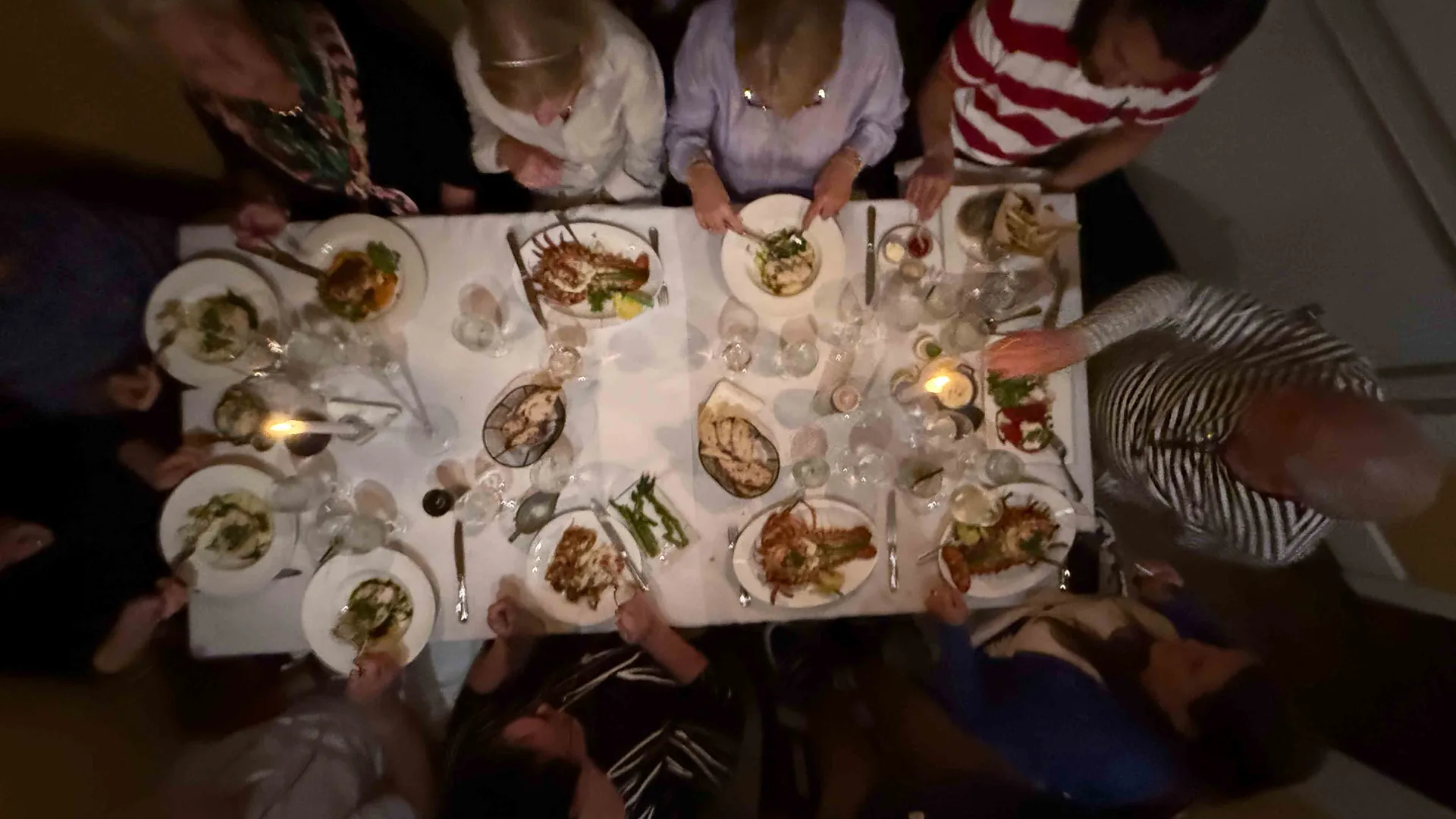
The island's dining reputation is earned: white-tablecloth rooms a scallop's toss from the docks, chowder counters, farm trucks, raw bars, one of New England's densest concentrations of serious kitchens compressed into a few cobblestoned blocks. In August it can feel like the entire Eastern Seaboard wants the same eight o'clock table.
This guide deliberately teaches the scene's shape rather than listing names — rooms change hands, chefs move on, and a printed list goes stale in a season. The shape is what a buyer actually needs.
The crescendo and the hush
The year has a soundtrack. Kitchens wake with Daffodil Weekend in late April, build through June, and hit full roar in July and August — every room open, every seat taken, reservation apps refreshed like stock tickers. Columbus Day starts the long exhale; by deep winter the island contracts to its year-round core and the locals get their tables back.
That off-season is not a void — it is the community's season, and honestly one of the best arguments for the island. The December guide and off-season guide show that life properly.
The geography of dinner
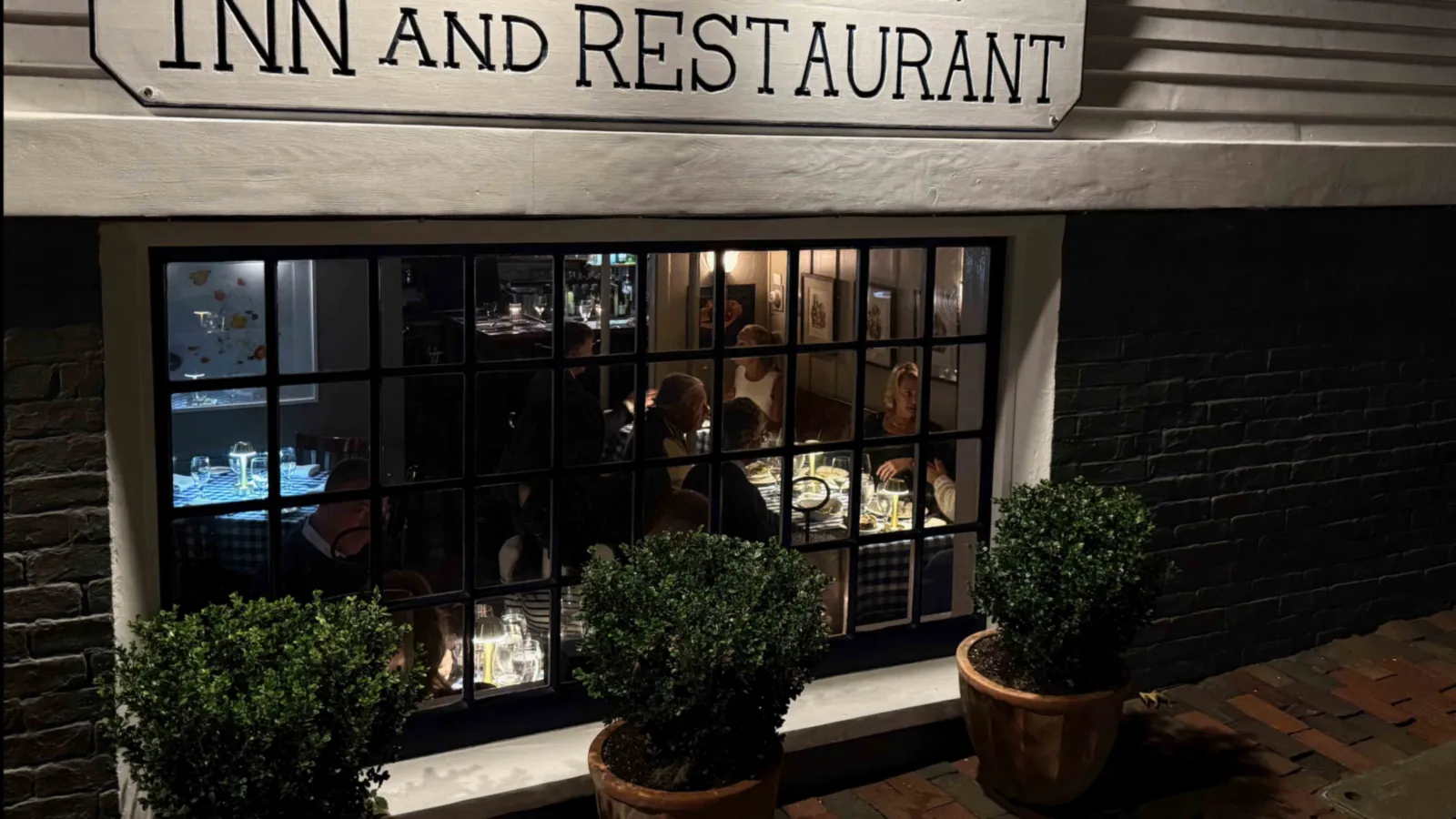
Almost everything worth booking sits in the historic district — a few walkable blocks between the wharves and Main Street where the island's dining energy concentrates. 'Sconset keeps its own small village scene through the season, a world of its own out east. Mid-island holds the year-round workhorses: the casual rooms, the counters, the places with a winter parking lot that is never empty.
The south and west shores, for all their beauty, are largely dinner deserts by design — you drive in, and that is the point of living out there.
Why this is a real estate page
Because the map of dinner is a map of value. From Town and Brant Point, the whole scene is a stroll — no car, no parking, walk home along the harbor. That convenience compounds daily, guests feel it instantly, and the market prices it without sentiment.
Farther out, you trade the stroll for land, quiet, and water — a fair trade many buyers happily make. The point is to make it knowingly: how a house eats is part of how a house lives.
Renters vote with their forks
If income matters, the dining map matters more. Walk-to-dinner is among the first filters vacation renters apply, and a Town listing that pairs it with a short beach run occupies the rental market's deepest demand pool. Out-of-town houses rent beautifully too — but on space, privacy, and water, to a different tenant.
The mechanics of all this — seasons, rates, what actually books — live in the rental income guide.
Eating like you live here
The local calendar is simple: reserve like a professional in August, eat like a regular in September, and treasure the winter rooms where the island talks to itself. Learn the farm stands and the fish markets — the island grows and lands more of its own dinner than visitors expect — and the scene stops being a scene and becomes a neighborhood.
That, more than any single reservation, is the thing being bought. For the rest of daily life on the island — schools, seasons, logistics — start with living on Nantucket.