Nantucket in the off-season: the island after the boats thin out
The island's truth
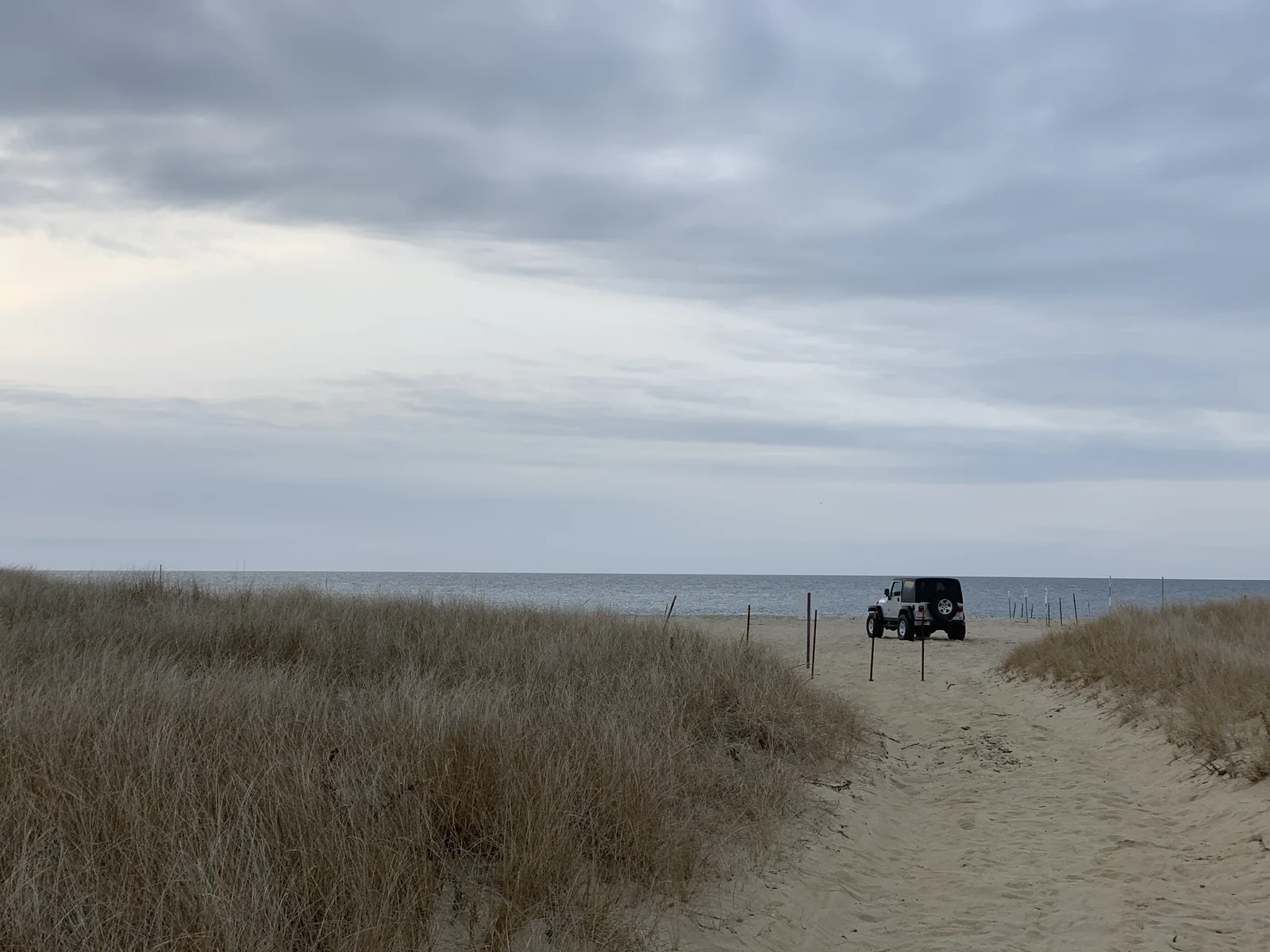
Columbus Day weekend, the boats south fill up. By Veterans Day the last big rental turnover is done, and the island exhales into the version of itself that the postcards never show — a working New England town in the middle of the ocean, population in the mid-teens of thousands, with its own calendar, its own economy, and in the view of many owners, its own superior charm.
If you own here, or you're deciding whether to, the off-season is not the island's absence. It's the island's truth.
The calendar nobody markets
Summer needs no introduction. The rest of the year has its own sequence, and owners learn to love it:
What stays open
Enough — and what stays open is telling. The island keeps its grocery stores, its hardware store, its pharmacies, its coffee, a rotating cast of year-round restaurants, the library's full program, the Dreamland's winter screen, and every institution a real town runs on. What closes is mostly what existed for the crowds. The geography of winter is smaller, too — most of it plays out between the core of Town and the working shops of Mid-Island, while Sconset keeps its own quieter version going at the island's far end.
The practical translation for owners: you can live comfortably here in February — thousands of people do — but you plan differently. Fewer choices, shorter hours, more things that happen because you know they're happening. Year-round life has its own full guide; the short version is that the town that remains is the town.
Running a house through an island winter
1. Decide the house's winter mode deliberately. Fully winterized and drained; kept warm and live; or somewhere between, with heat held low and water managed. Each is fine. Drifting into one by default is not.
2. Get eyes on it. The island has a deep bench of caretakers and house-watchers — weekly walk-throughs, storm checks, contractor meetings, photos after every blow. For an off-island owner this is the single highest-value line item in the budget. Salt air, wind, and swings of damp cold are hard on empty buildings, and the failure that matters most — a burst pipe in an unwatched house — does its damage in the days before anyone notices.
3. Mind moisture as much as cold. Humidity is the quiet destroyer of closed island houses — monitoring and air movement matter as much as the thermostat.
4. Know your storm posture. Winter northeasters are the island's serious weather. Know your flood position, your insurance's storm deductible, and who's checking the house after a blow — before the first one.
5. Tell your insurer the truth about occupancy. Seasonal, year-round, rented — the policy is priced on it, and the wrong answer costs most at exactly the wrong moment.
6. Use the season. Winter is when island contractors have room to breathe — the renovation, the roof, the punch list all go better booked into the quiet months. Owners who think in seasons get more house for less friction.
The shoulder seasons are the connoisseur's months
Strictly speaking this page is about the quiet half of the year, but owners keep discovering that the best weeks sit at its edges. September and early October may be the island's finest stretch — the ocean at its warmest, the light long and gold, the crowds gone but everything still open. May and June run the same trade in reverse: the island greening up, restaurants stretching awake, beaches empty on weekdays.
The ownership math follows. A house you'll actually use from Daffodil to Stroll is a different value proposition from one that works three weeks in August — and buyers who plan around the shoulders, not just the peak, tend to be the owners the island quietly converts into year-rounders. Ask any of them which month they'd give up last, and almost none of them say August.
The off-season is also a rental season
The island's housing squeeze means winter rentals — September-to-June tenancies for the year-round workforce — are a real market, and some owners bridge their carrying costs with one. It's a different proposition from August weeks: different tenants, different wear, different money, and a commitment that your house spends the winter lived-in (which, note, solves the empty-house problem too). The rental income guide covers how the island's rental economy actually stacks up.
Why winter is the honest time to buy
I show property all winter, and I'd argue February showings are the most informative ones on the calendar:
The off-season — frequently asked questions
Is anything open on Nantucket in the winter?
Yes — the island is a year-round town, and everything a town actually needs stays open: groceries, hardware, pharmacy, restaurants on winter rotation, the library, the hospital. What closes is the layer that existed for summer crowds.Do people live there year-round?
A real community does — a town in the mid-teens of thousands, with schools, youth sports, and a civic life that's most visible precisely when the visitors are gone. The schools and family-life guide covers that side of the island.Can I see houses in the winter?
Absolutely — and you should want to. A February showing tells you things about a house no July showing can. The market never fully sleeps; it just gets more honest.What is Christmas Stroll?
The island's early-December tradition — town dressed for the season, shops open late, carolers on cobblestones — and the social close of the island year. For many owners it's the non-negotiable weekend.Should I winterize or keep the house warm?
Either works; unmanaged neither does. Fully drained-down, or held warm with water managed and someone checking weekly — the decision depends on how you use the house, and it's worth making with your caretaker and insurer rather than by default.Do the ferries run all winter?
Yes — year-round, with weather owning the occasional day. Owners learn to build a little flex into winter travel; it's part of the deal, and part of the point.See a house in February and you'll know the truth about it
Sean Kalman is a sixth-generation Nantucketer, a Nantucket REALTOR®, and the founder of The Kalman Co., brokered by eXp Realty. He thinks February is the most honest month on the real estate calendar, and Stroll weekend is the island's best sales pitch that isn't trying to be one. Reach him at sean@thekalmanco.com or 508-228-4578. Equal Housing Opportunity.