Once the offer is accepted, the next stretch of the purchase is not yours. It belongs to a septic inspector, a county laboratory and an insurance underwriter — and on this island, every one of them has a queue.
The month you don’t control
Most of the advice a buyer gets is about the part of the deal they drive. What to offer. What to concede. When to walk. I wrote about that side of it in the negotiation that starts before you write the offer.
Then the offer is accepted, and something changes that nobody warns you about. The next stretch of the purchase is not yours. It belongs to a septic inspector, a county laboratory, an insurance underwriter, and a handful of island professionals whose calendars were full before you arrived. You are not steering any more. You are queuing.
That is the honest shape of a Nantucket closing, and it is why buyers who treat the weeks after acceptance as paperwork are the ones who end up asking for an extension.
Two stages, and the gap in between
Massachusetts runs a purchase in two stages. There is the accepted offer, and then, usually a couple of weeks later, the purchase and sale agreement. The diligence happens in the gap.
That structure is the same in Boston, in the Berkshires, and here. What is not the same is how long the island’s part of that diligence actually takes. On the mainland, the gap is generous relative to the work. Here it is tight, because almost every item in it has a waiting list attached.
Everything here has a queue attached
This is the single thing I would want a buyer to understand before they sign anything with a date on it.
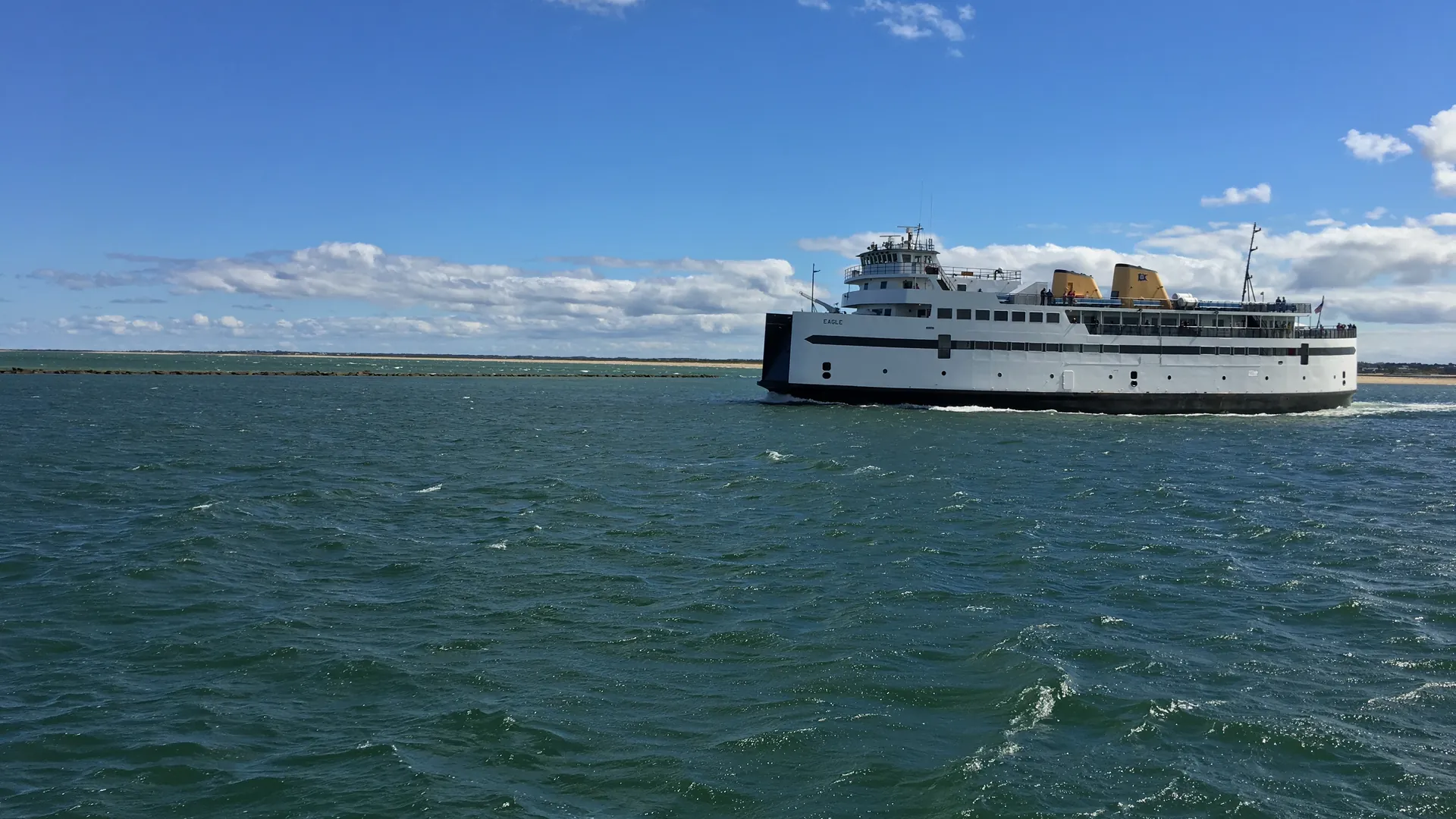
The island has few providers of each specialty service and a boat between them and everywhere else. A test that a mainland buyer schedules on Tuesday and has back on Friday can take three weeks here — not because anyone is slow, but because there is one program, one drop-off window, and one laboratory on the other side of the Sound.
So the ordering principle for the whole month is simple. Start the things with queues first, and the things you control last. Most buyers do exactly the reverse.
Start the water on day one
If the house is on a private well, this is the first call you make. Not the second week. The first day.
Since January 1, 2024, Chapter 386, Section VIII(4) of the town’s regulations has required private well water testing before the sale of a property. The town runs its sampling through the Barnstable County Laboratory. Samples are dropped at Health and Human Services on Tuesday mornings between 7:30 and 9:00 — a single window, once a week, which means missing it costs you seven days before anything has even been tested.
Then the laboratory time. Routine and real-estate kits take up to 14 business days. PFAS results take up to six weeks.
Read that last figure against a diligence window measured in a couple of weeks and you can see the problem immediately. The queue is longer than the contingency. I go through the whole sequence in the island home inspection guide, but the operational point is this: a Tuesday missed in week one is a closing date renegotiated in week four.
Septic sets the bedroom count, and sometimes the price
The Title 5 inspection is not optional in the way a home inspection is. A system must be inspected at or within two years before transfer of title, or within three years if the report comes with records of annual pumping.
What buyers underestimate is the consequence rather than the deadline. The system’s capacity sets the legal bedroom count, which is not always the number in the listing. And in the island’s harbor watershed districts, the transfer itself can trigger a step up to a nitrogen-reducing system. That is a capital number, discovered inside your diligence window, that can legitimately reopen price.
The detail lives in the Title 5 and septic guide. The scheduling lesson is the same as the water: find out early, because the remedy has a queue too.
The insurance quote is diligence, not paperwork
A broker’s rough estimate is not a number you can rely on. A bound quote is.
Coastal underwriting on this island has its own appetite, and it varies by zone, by elevation, by construction, and by the carrier’s mood in a given season. Pull the FEMA zone and, where one exists, the elevation certificate before you offer, and get a real quote inside the diligence window rather than an estimate after it. Flood zones and insurance and insuring a Nantucket home both go deeper.
I have seen a bound quote change a buyer’s model of annual cost more than any other single line item in diligence. Better to learn it while you still have a contingency.
What the record says about the timing
It helps to see the actual intervals rather than the ones people assume.
Calculated from the LINK sold export, 2026 single-family sales — single-family only, not condominiums, land, or commercial — ran a median of 33 days from purchase and sale agreement to closing, a median of 174 days from first listed to closed, and a median days-on-market of 90. Those are LINK figures computed from the sold export for January 1 through July 18, 2026, and I set them out with the rest of the timing picture in seven factors that complicate market timing.
Two things follow from that 33-day median. First, the P&S-to-closing stretch is genuinely about a month for the typical single-family sale, which is not much room for a six-week PFAS result. Second, the end-to-end figure of 174 days is the one to plan a life around — a school year, a tax year, a move — rather than the days-on-market number, which measures only listing to accepted offer and quietly omits everything this article is about.
A caution I would apply to my own numbers: a median across single-family sales is not a statement about any particular house, and it is not an all-property-types figure. Your deal is a sample of one.
What I do on day one
When an offer of mine is accepted, the first afternoon is spent almost entirely on things that will not produce an answer for weeks.
I want the well sampling aimed at the next Tuesday window, not the one after. I want the Title 5 inspector booked before the calendar closes, and I want to know the watershed district before I know the paint colors. I want the FEMA zone and any elevation certificate in hand so the insurance conversation can start with facts. I want the HDC history pulled if the house has been altered, because what was approved and what was built are two different records. And I want the attorney reading the title early, not the week of closing.
None of that is glamorous. All of it is the difference between a closing that happens on the date everyone agreed to and one that slips while people wait on a laboratory.
The island rewards buyers who respect its calendar. It is not a market that punishes you for moving deliberately. It punishes you for assuming the mainland’s clock applies.
If you are working toward an offer this fall and want the diligence sequence mapped against a real closing date, I am glad to walk it with you.